The hidden cost of steel grating in the water industry
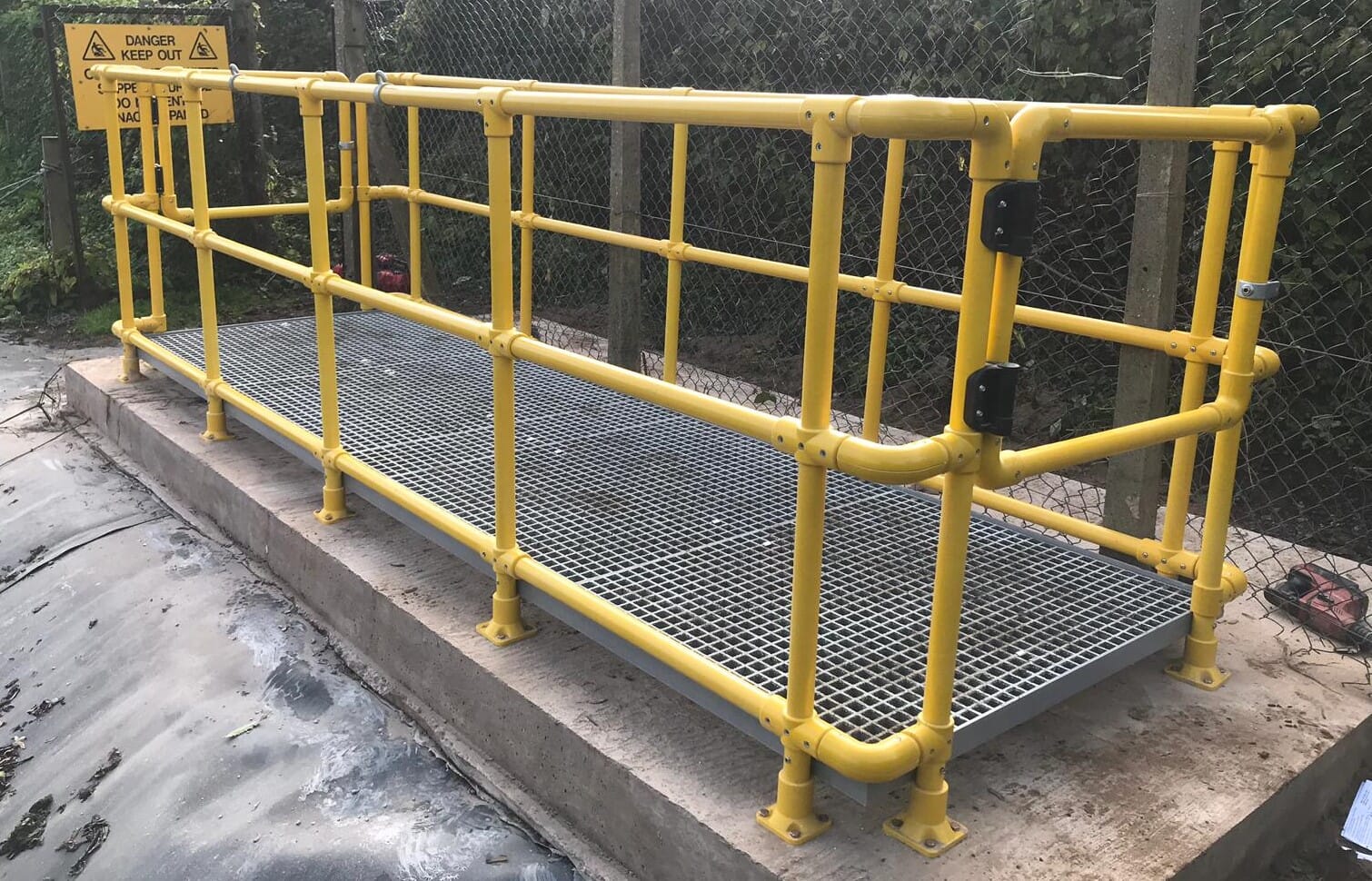
Key takeaways:
There’s a clear winner when comparing GRP vs steel grating in water industry environments. Steel grating corrodes rapidly in wet, chemically aggressive environments, which makes it less slip resistant and more expensive to maintain over time. GRP grating offers a superior alternative, thanks to its corrosion-resistant properties, consistent anti-slip performance, and lower ongoing operational costs.
If you’re responsible for managing assets or specifying access systems within the water industry, you’ll likely be familiar with the challenges that these environments place on infrastructure. Constant moisture and chemical exposure can cause certain materials to degrade quickly – and with AMP8 placing greater emphasis on safety and reliability, it’s vital that the material you choose is up to the job.
Steel grating has long been the default choice for walkways, platforms, and access areas in water treatment works. However, GRP grating has emerged as a popular alternative, offering superior performance with none of the drawbacks of steel. Here’s everything you need to know about GRP vs steel grating for the water industry.
Comparing GRP vs steel grating in water industry settings
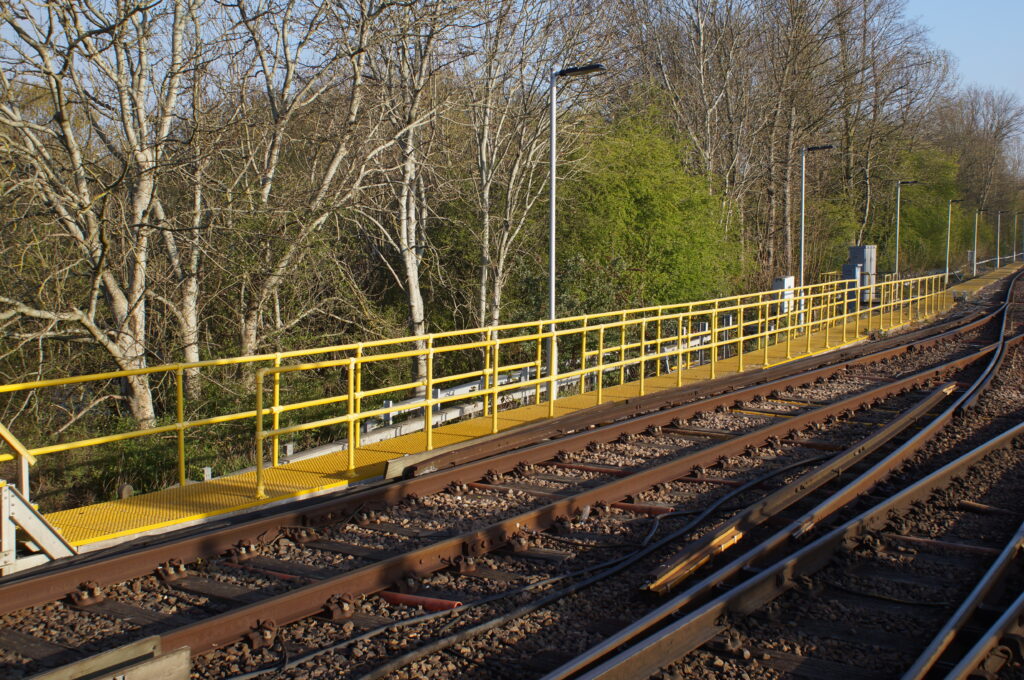
Why steel grating struggles in wet environments
Steel grating performs well in dry and controlled conditions, but water and wastewater sites present a very different set of challenges, including:
- Corrosion – constant exposure to moisture accelerates corrosion, particularly if the grating’s protective coatings become damaged.
- Chemical exposure – the harsh chemicals found in water environments can attack galvanised finishes, leading to coating breakdown and rust formation.
- Safety – ongoing corrosion compromises the structural integrity, surface grip, and walkway evenness, which increases the likelihood of slips, trips, and falls.
Aside from the safety risks, steel grating is also more expensive to maintain over its lifecycle. Here are some of the associated costs you need to be aware of when using steel grating in water industry environments:
- Maintenance – steel grating requires regular inspection, recoating, and repair work to control corrosion; all of which can be expensive.
- Downtime – you’ll often need to take walkways or platforms out of service to maintain them, which disrupts your operations and increases downtime.
- Safety management – as steel grating degrades, the slip and trip risks increase, so you may need to pay to replace or repair sections earlier than expected.
GRP grating: a superior, long-term alternative
GRP grating is a far better choice for water industry environments, offering consistent, dependable performance you can rely on. Designed specifically to withstand moisture and chemical exposure, GRP does not rust, rot, or degrade over time, making it ideally suited to water and wastewater applications where steel often struggles.
Here are some of the main benefits of GRP grating in the water industry:
- Corrosion resistance – GRP is naturally resistant to water and chemicals, which eliminates the risk of rust and coating failure that comes with steel grating.
- Slip resistance – anti-slip surfaces are built into GRP grating, delivering reliable underfoot performance throughout its service life.
- Minimal maintenance – GRP doesn’t require recoating or corrosion repair, meaning you don’t need to pay expensive ongoing maintenance fees.
- Improved site safety – GRP grating offers stable surfaces and predictable performance in wet weather, which reduces the risk of slips, trips, and falls.
- Lightweight and easier to install – GRP panels are up to 75% lighter than steel, making them quick and easy to install with no manual handling risks to worry about.
- Non-conductive – GRP is also non-conductive, providing an added layer of protection in electrically sensitive areas within water treatment works.
- Long service life – GRP has an average lifespan of 20+ years, which helps to keep your costs down and ensures compliance with AMP8.
Need help complying with AMP8? Explore how our GRP access solutions support AMP8 requirements in our dedicated blog post.
Make your water treatment site safer and more accessible with Ezi Klamp’s GRP grating
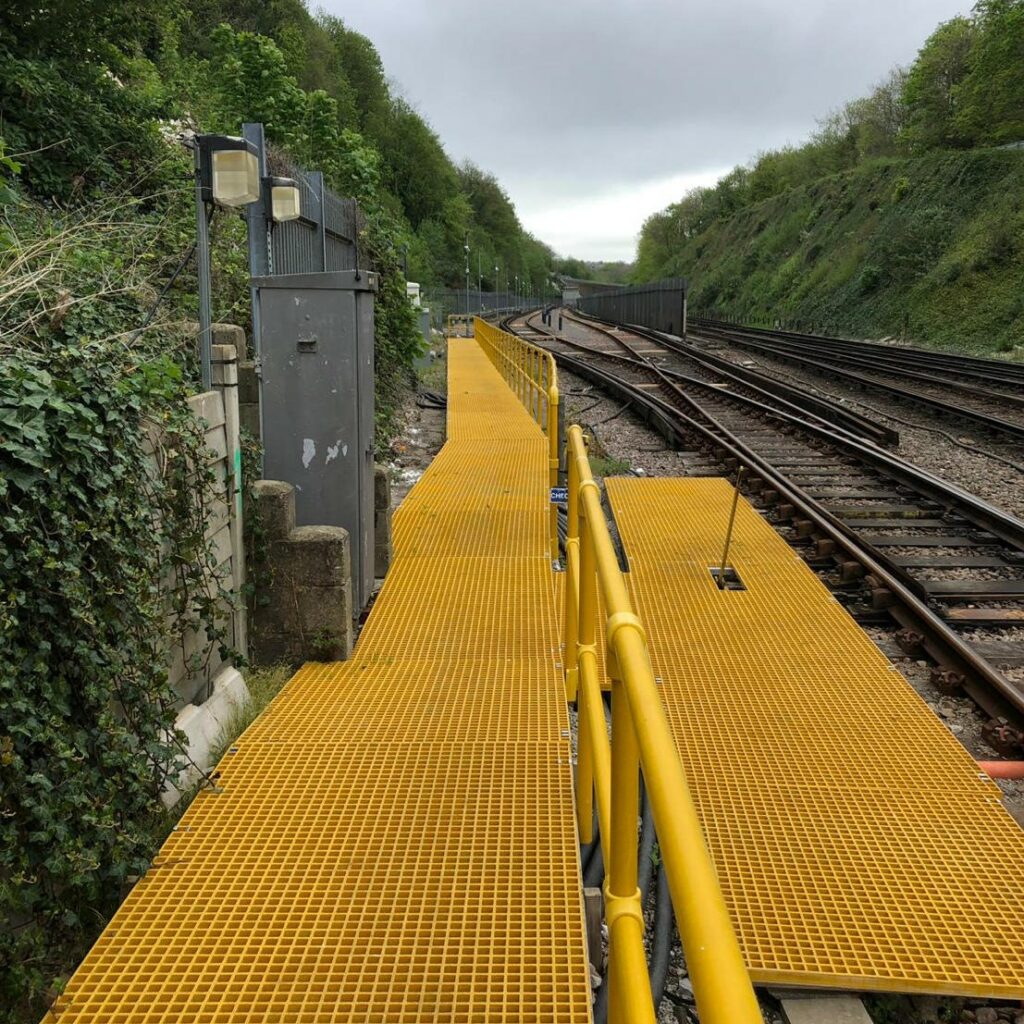
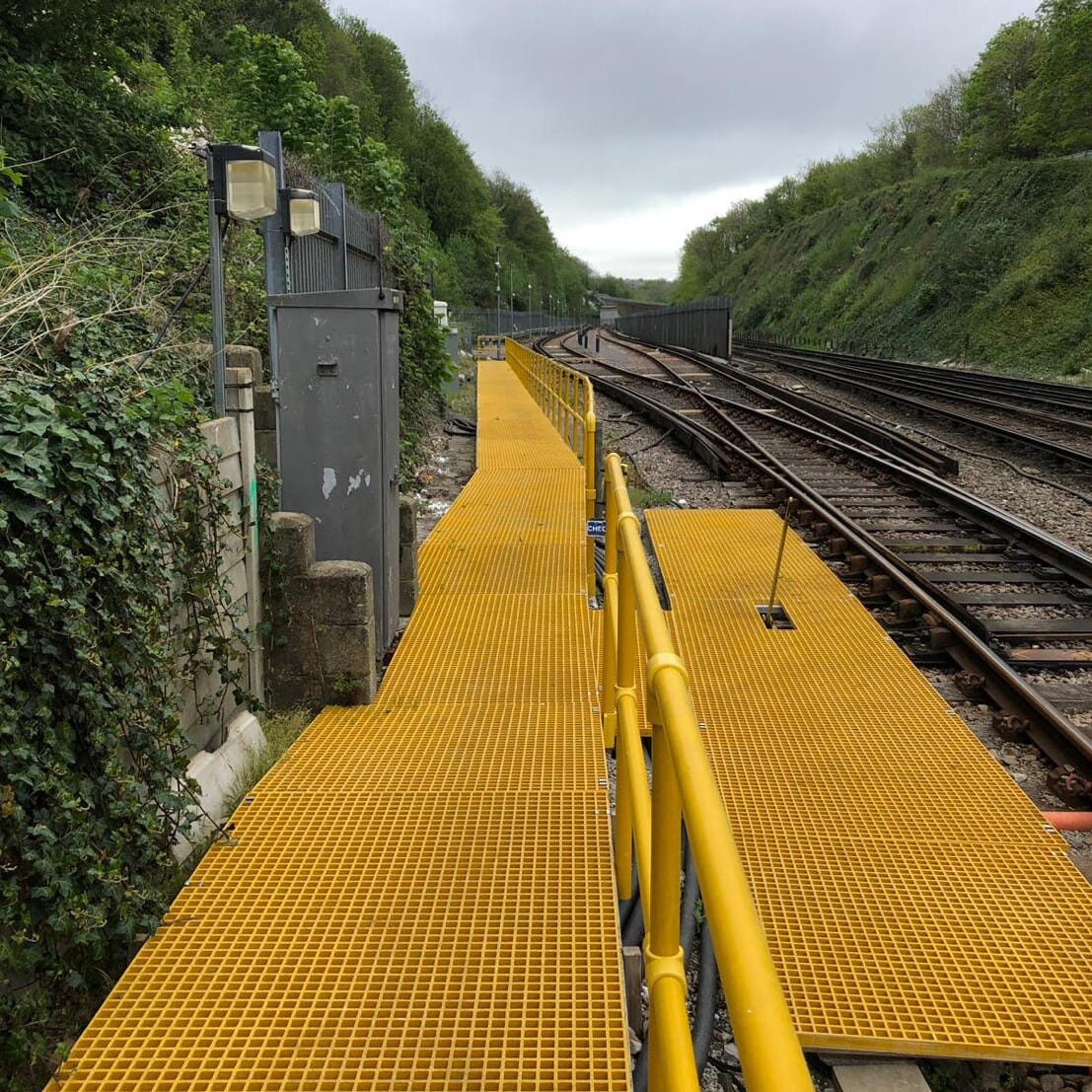
If you’re looking to upgrade the access infrastructure on your water or wastewater site, Ezi Klamp’s GRP grating systems provide a long-lasting, reliable alternative to steel.
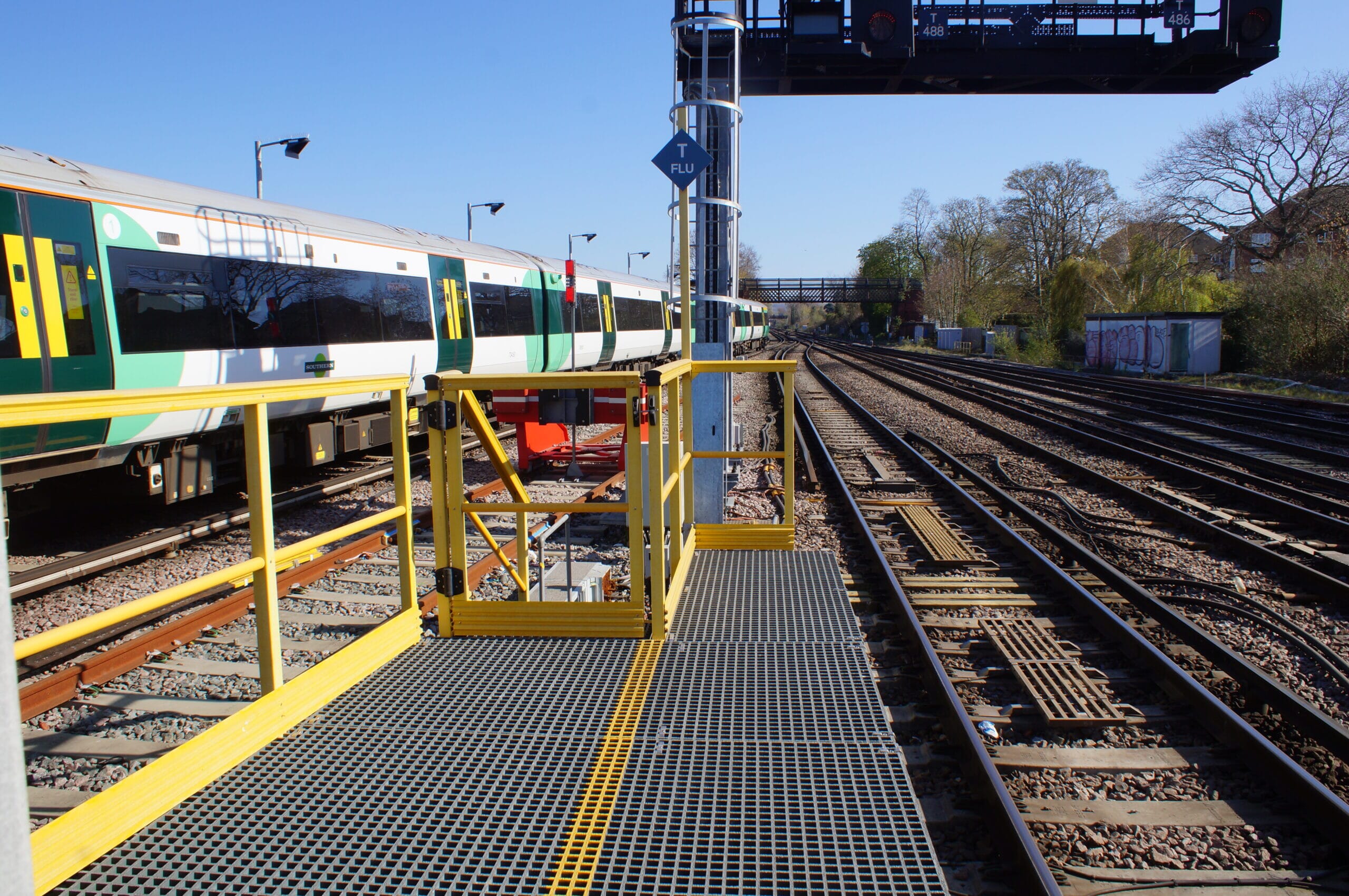
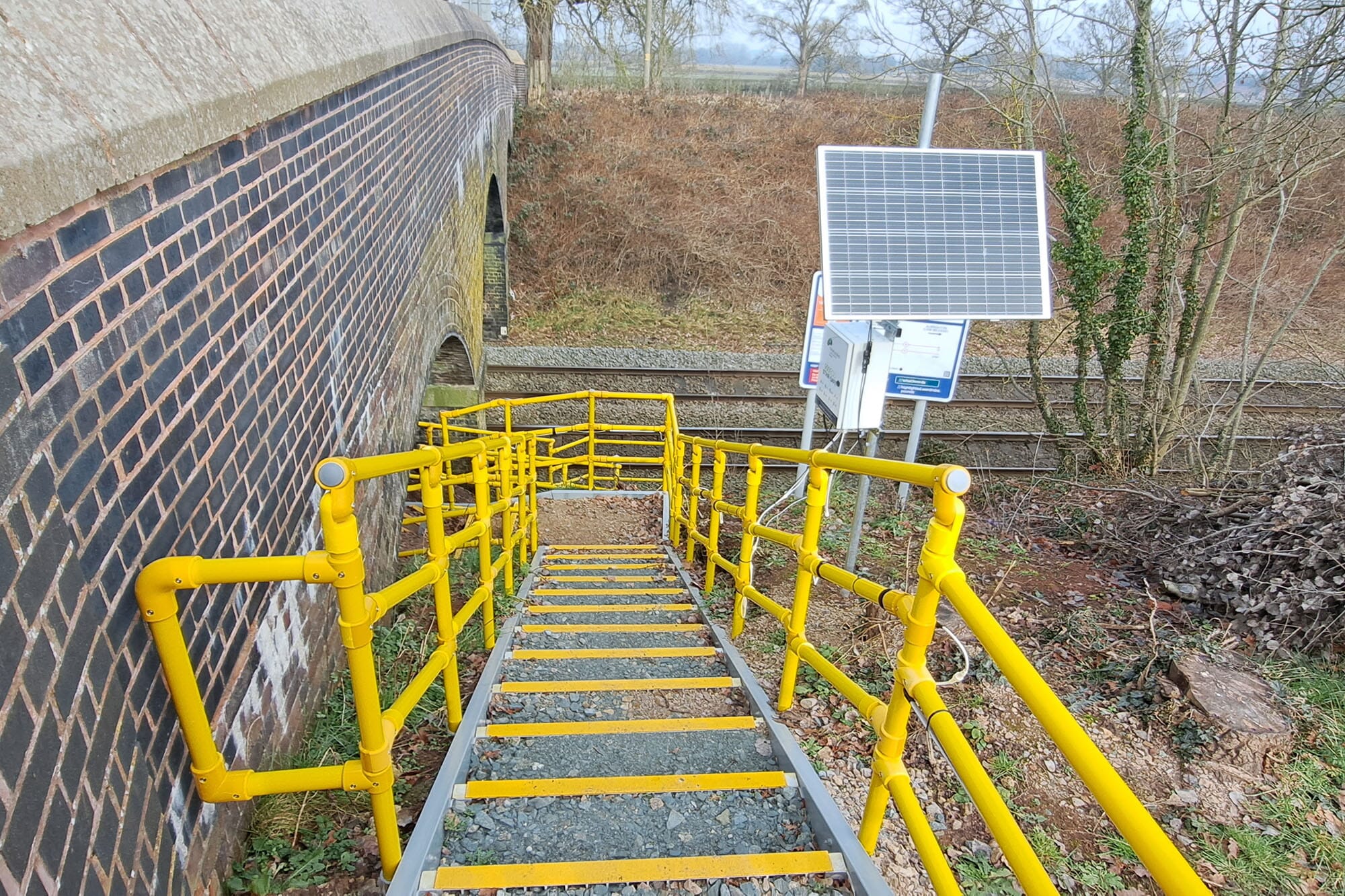
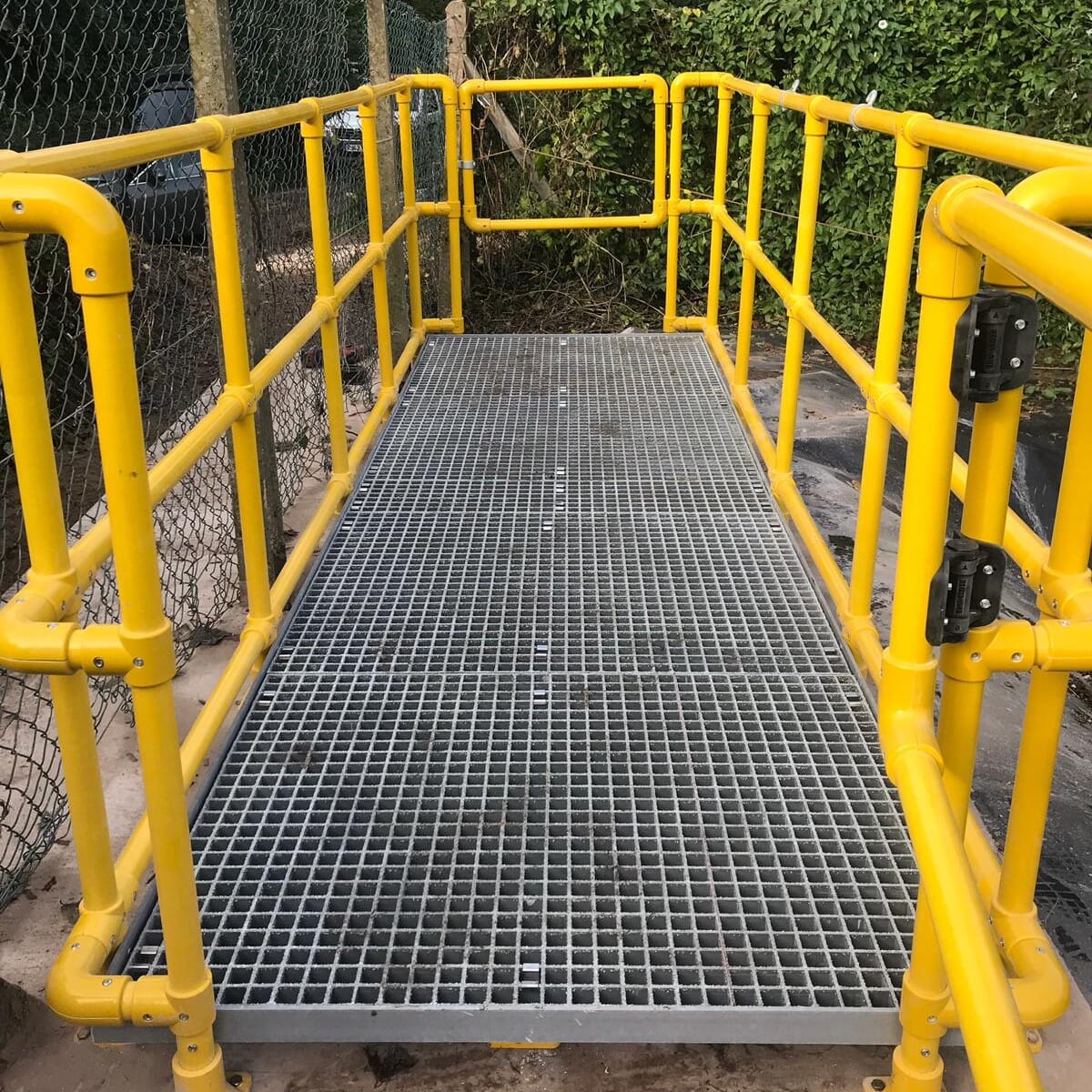
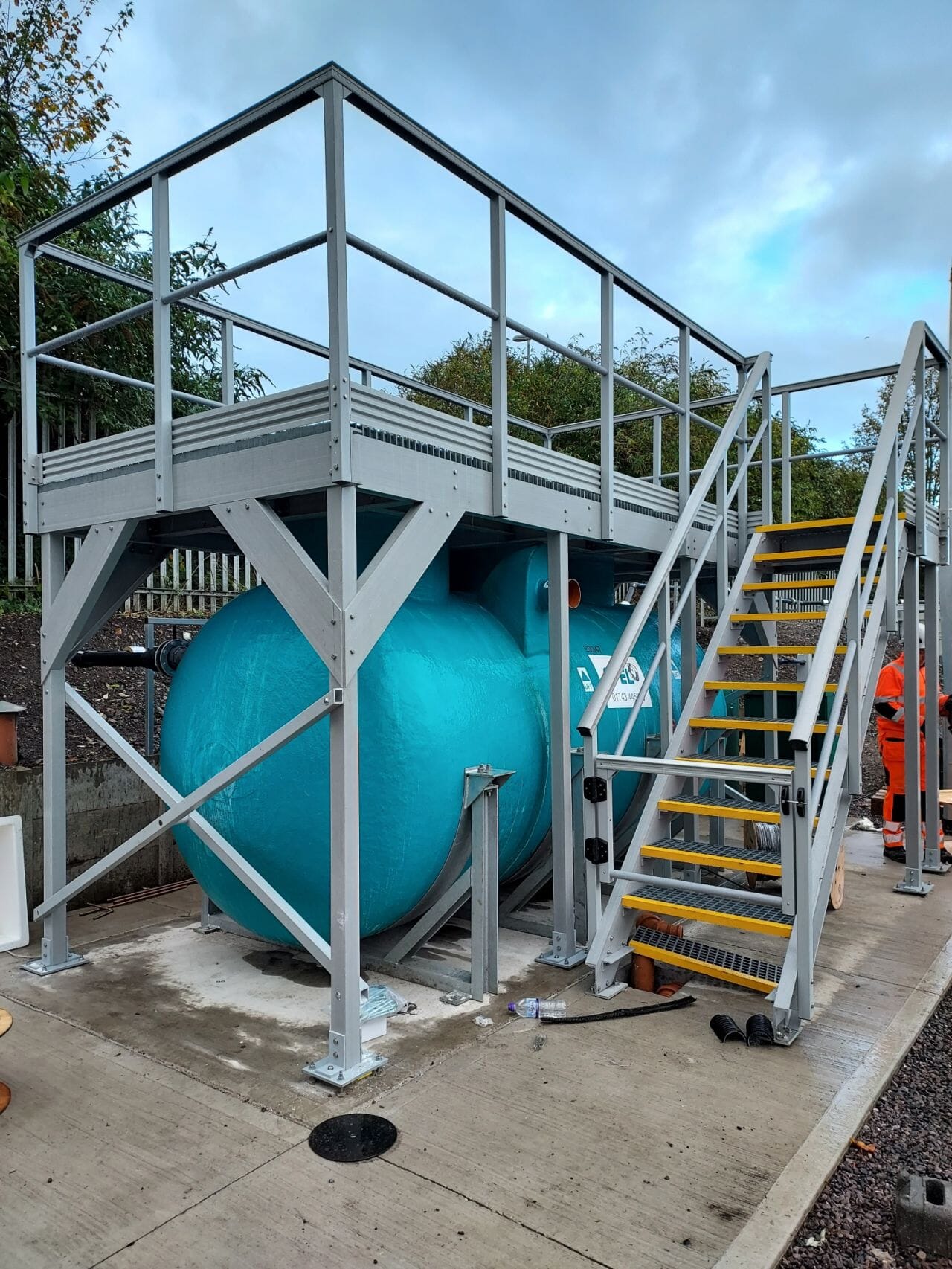
Designed to perform in wet, corrosive environments, our GRP grating panels are ideal for walkways, stair treads, platforms, and many other access areas commonly found on water industry sites. They’re supplied in a standard sheet size of 3.66m x 1.22m, but can also be cut to size for a precise fit every time. Our GRP grating is exceptionally easy to install and maintain, but we can assist with installation for more complex sites if required.
So, are you ready to create safer access routes on your water industry site? Get in touch to request a quote.
FAQs
What is GRP grating and why is it widely used in the water industry?
GRP grating is a composite access material that’s specifically suited to wet and chemically aggressive environments. It’s widely used across water and wastewater sites because it does not corrode, offering long-term structural stability and consistent slip resistance compared to traditional steel grating.
Where is GRP grating typically installed on water and wastewater sites?
GRP grating is commonly used for walkways, platforms, stair treads, access routes, and plant areas throughout water treatment and wastewater facilities. It’s suitable for both new installations and retrofit projects.
Is GRP grating safer than steel grating in wet environments?
GRP grating is safer than steel in many water industry applications, thanks to the anti-slip properties that are built into the material rather than applied as a coating. This helps your workers to maintain their grip underfoot, even in permanently wet or algae-prone conditions.
How does GRP grating perform over its service life?
GRP grating is highly durable and resistant to corrosion and chemical attacks. It delivers dependable performance for 20+ years with minimal maintenance required, meaning it is much cheaper over its lifespan compared to steel alternatives.
 GET YOUR ‘EZI-QUOTE’ NOW - RAPID QUOTE TURNAROUND FROM DRAWINGS



