How CP7 is changing the way rail projects are built
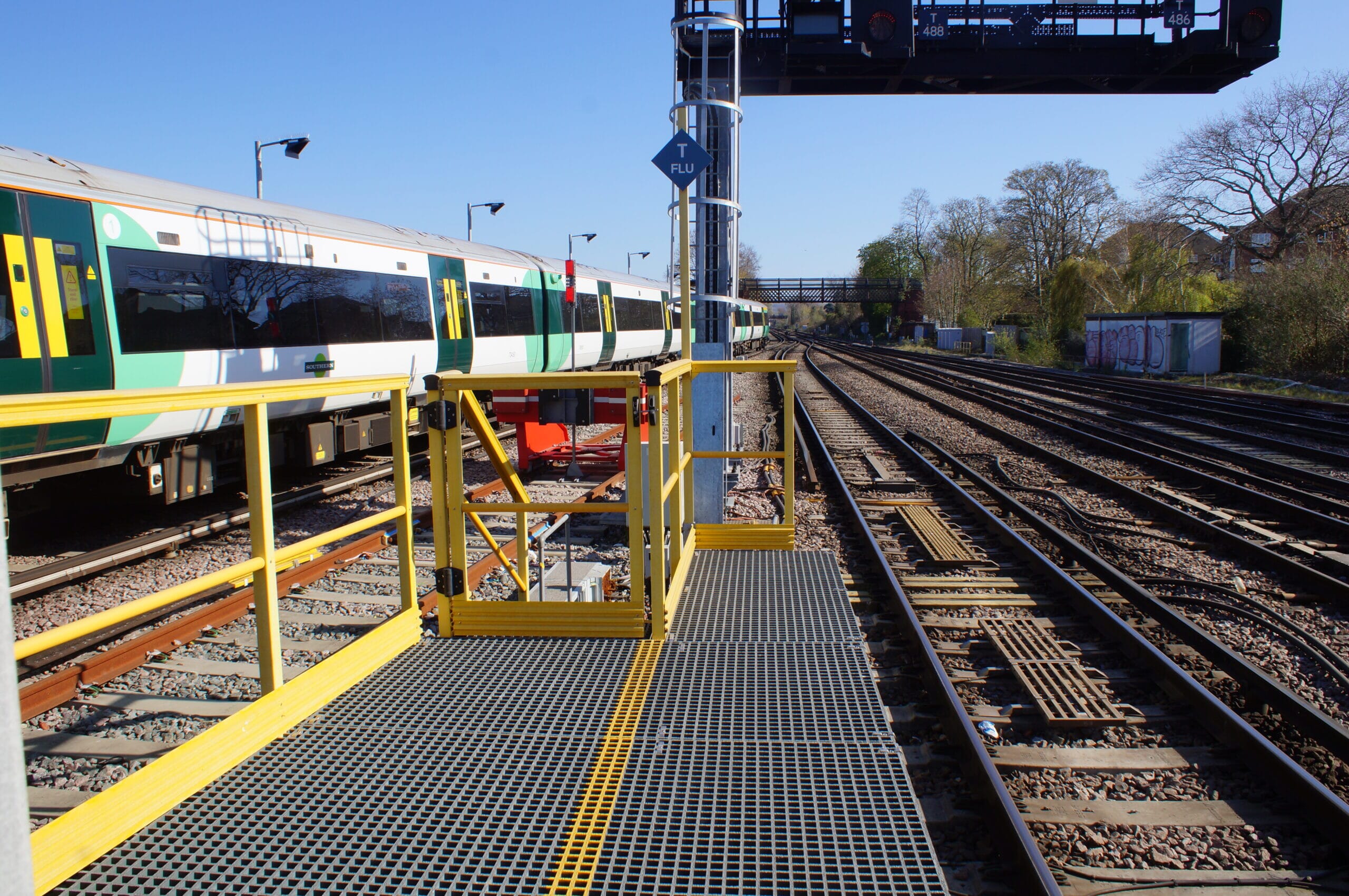
Network Rail’s Control Period 7 (CP7) represents a major shift in how rail projects are planned and delivered, placing a much stronger emphasis on safety, sustainability, and long-term value than ever before. This renewed focus is reshaping design decisions across the entire UK rail network, with contractors expected to adopt solutions that comply with CP7 rail project safety standards and actively reduce whole-life risk.
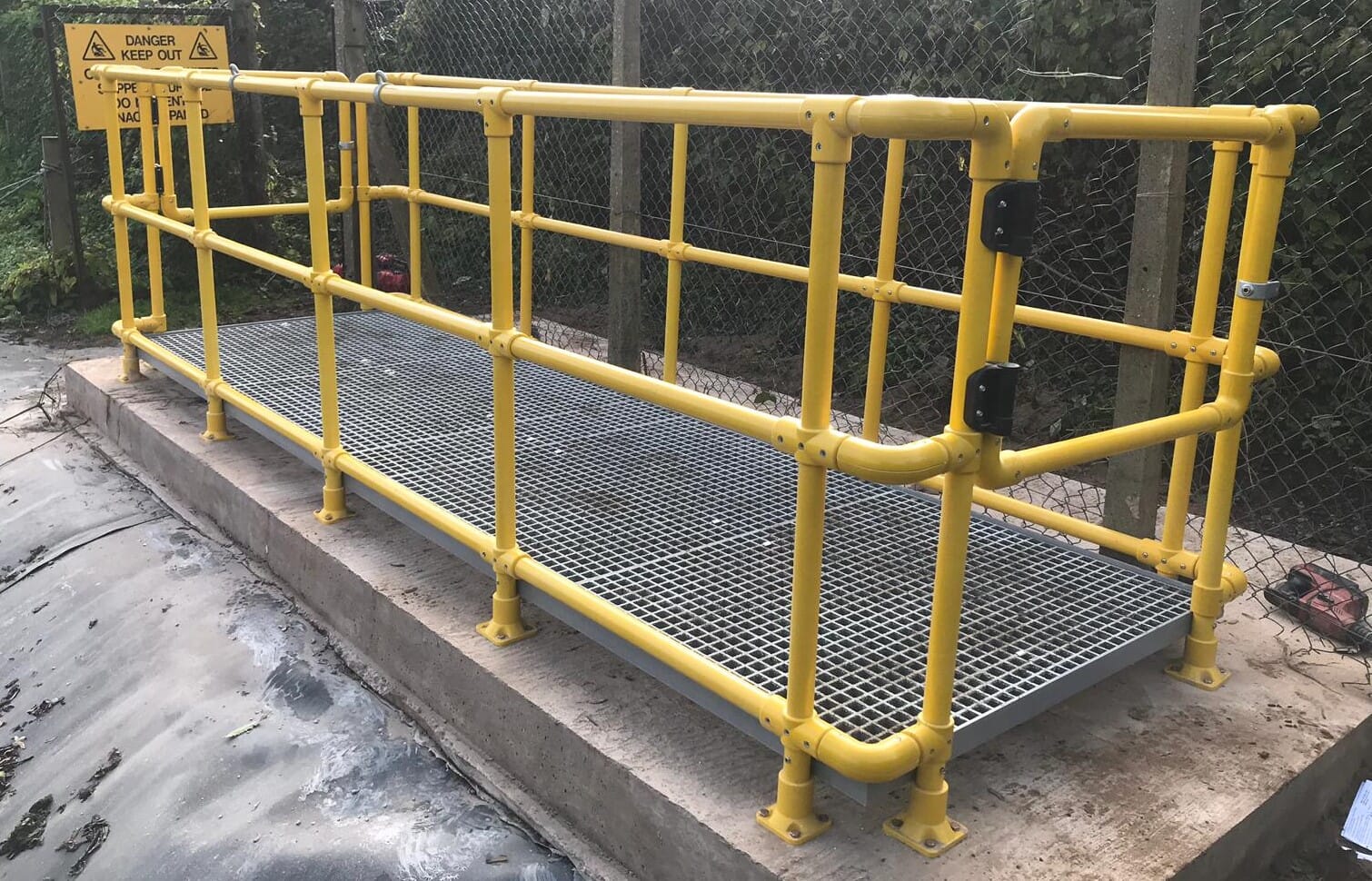
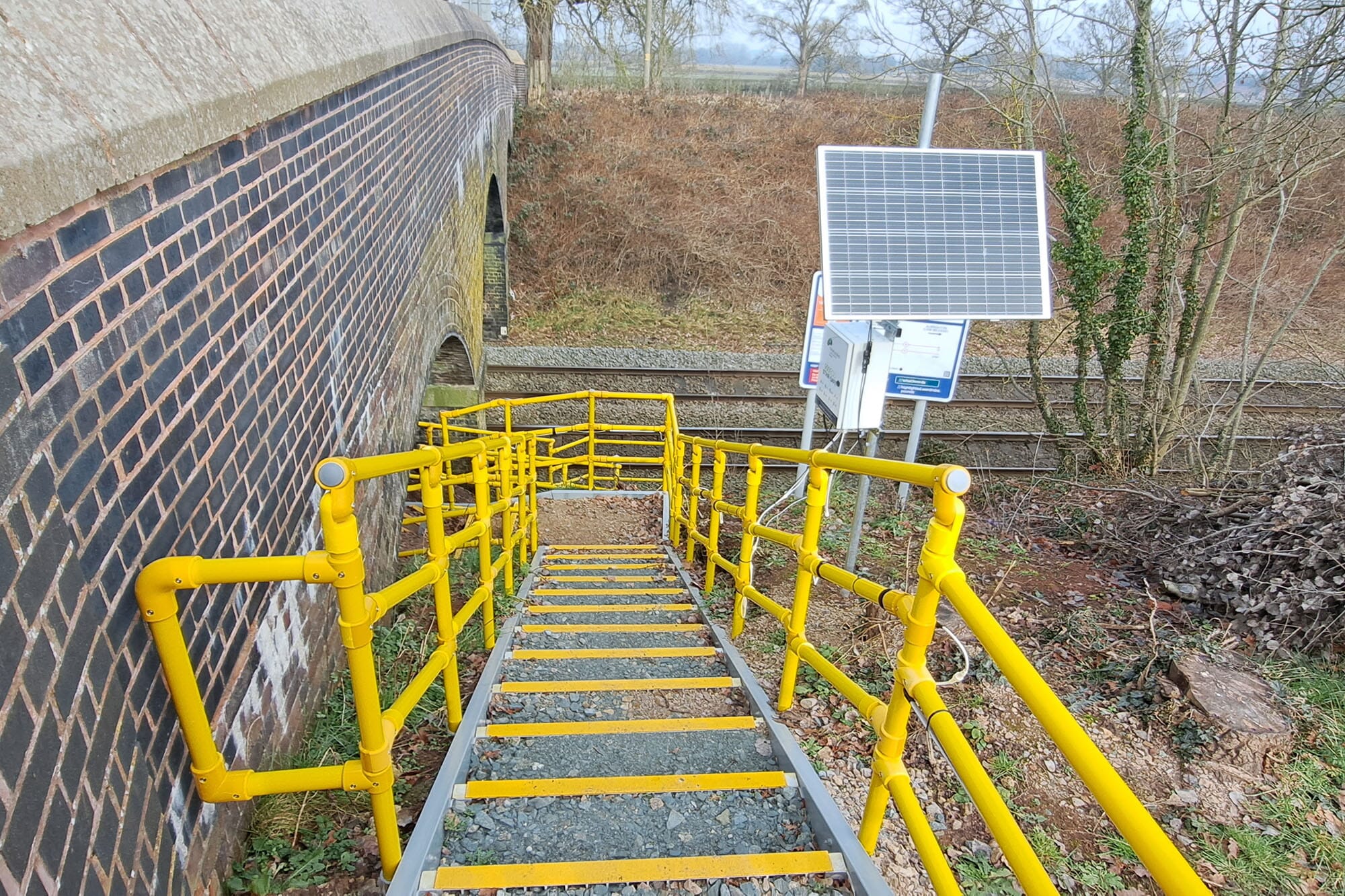
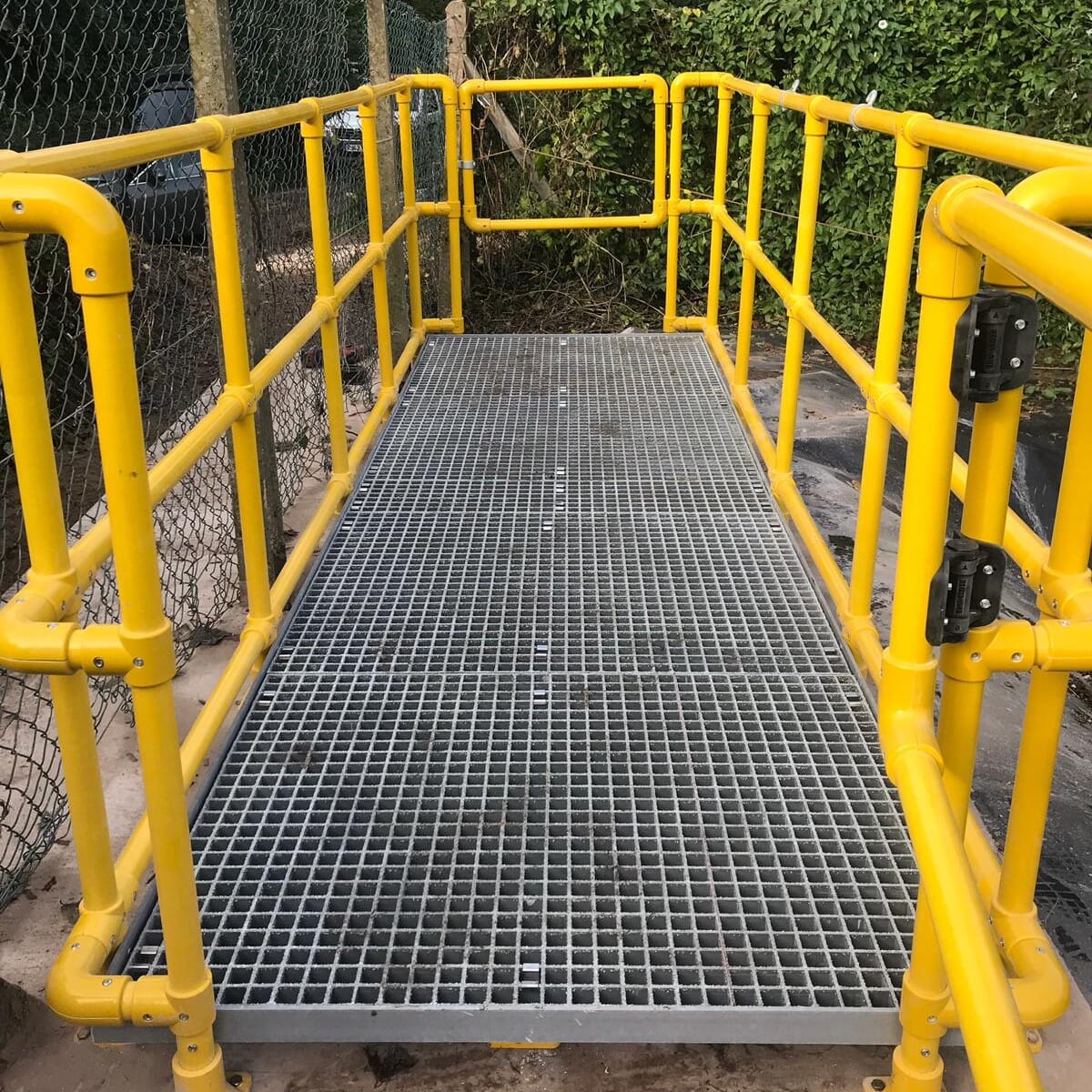
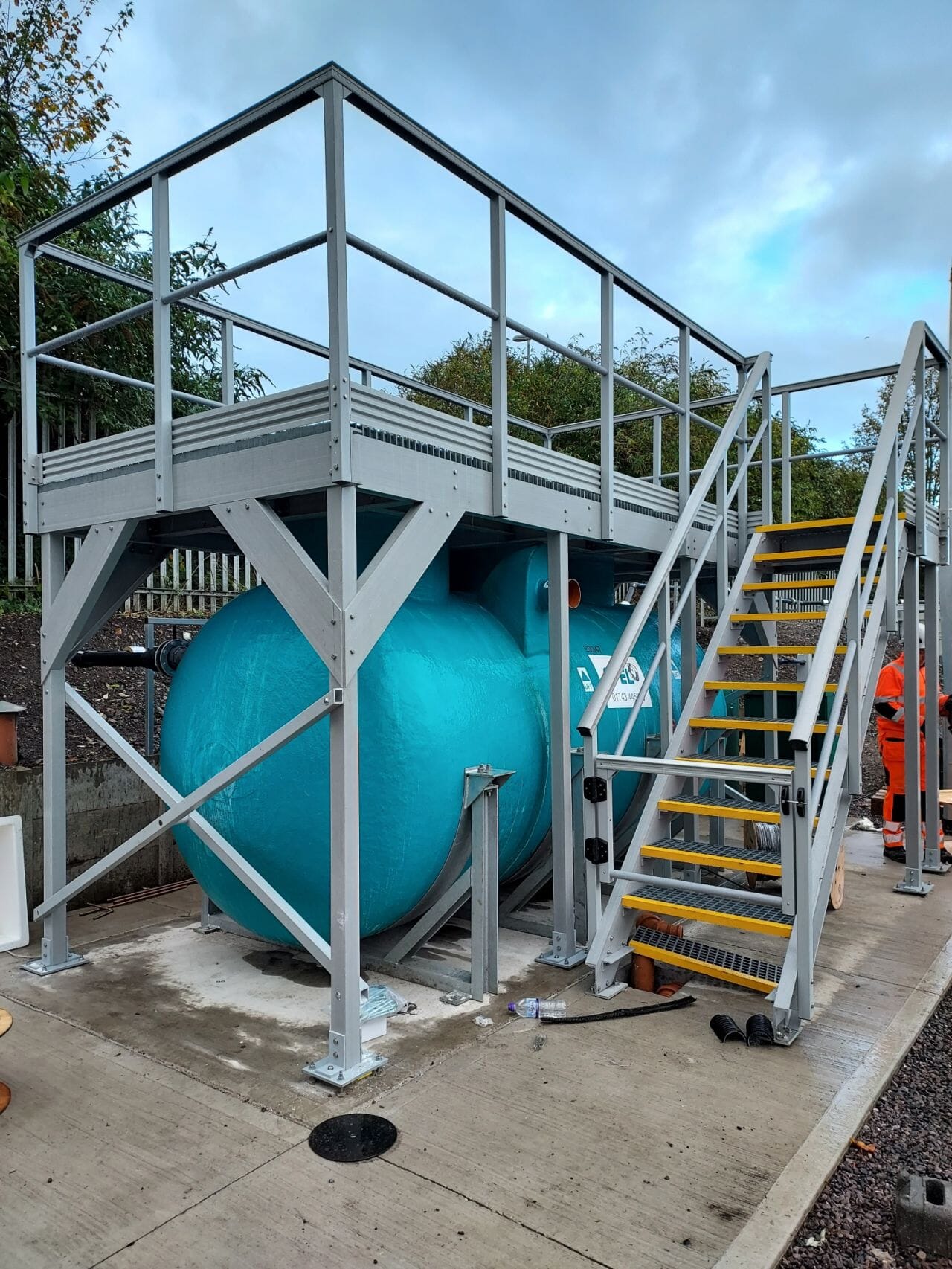
GRP (Glass Reinforced Plastic) is a key part of this transition. GRP rail walkways, platforms, and modular depot access systems allow project teams to install safe access infrastructure quickly and efficiently, without the need for heavy lifting or hot works. This reduces workforce exposure to hazardous environments and ensures CP7 rail projects are delivered on time and to budget – helping Network Rail and its partners build smarter, safer, and more resilient rail assets.
Here’s how Ezi Klamp can help you meet the requirements of CP7.
CP7: a new direction for rail delivery
Running from 2024-2029, CP7 signals a much more modern approach to planning, procuring, and delivering rail programmes. Over £44 billion has been allocated to improving operations, completing essential maintenance, and renewing Britain’s railway infrastructure. But CP7 isn’t just about upgrading ageing assets; it’s about transforming the way the industry builds infrastructure.
Delivering infrastructure that’s safe, environmentally responsible, and demonstrates long-term value has always been fundamental to Network Rail’s approach, but CP7 takes this one step further by encouraging contractors to adopt innovative materials, repeatable designs, and predictable delivery models. Gone are the days of traditional steel fabrications and labour-heavy builds. Instead, there’s now a clear push for systems that can be installed quickly, safely, and with minimal disruption to the network.
This is where GRP modular infrastructure is coming into its own. Here’s why GRP is the ideal solution for CP7 rail projects.
Safety first: strengthening standards without slowing delivery
Safety has always been a non-negotiable priority for Britain’s rail network, but rail safety standards in CP7 are even more stringent. With more maintenance work now taking place on active networks than ever before, CP7 requires contractors to comply with the following:
- Reduce workforce exposure on track
- Increase slip, trip, and fall prevention
- Improve access around depots, platforms, and lineside assets
- Reduce manual handling and hot-works activity
Beyond just compliance, contractors are expected to make proactive design choices that eliminate these risks wherever possible. Enter GRP rail walkways and depot access systems…
GRP is naturally non-conductive and non-corrosive, and is up to 75% lighter than steel; allowing teams to install walkways, platforms, and stairs with fewer people, fewer tools, and fewer manual-handling risks. The anti-slip finishes also provide year-round traction, helping maintenance personnel move around safely in wet, cold, and icy conditions.
Sustainability: lower carbon, longer lifespan
CP7 has a renewed focus on whole-life carbon and environmentally responsible design. Network Rail expects suppliers to reduce embodied carbon, increase recycling, and use materials with long service lives and minimal maintenance requirements.
GRP meets this brief exceptionally well. Steel can rust and degrade over time and will require frequent repainting. On the other hand, GRP offers:
- A long lifespan of 60+ years
- No repainting or corrosion treatments required
- Lighter and easier to transport, lowering fuel consumption
- Reduced maintenance visits and reduced workforce exposure
When it comes to assets like walkways, step platforms, track-side enclosures, and embankment access, GRP provides a future-proof, low-carbon alternative to steel that perfectly aligns with CP7 rail projects’ sustainability aims.
Cost efficiency: doing more with less through modular delivery
Budgets for rail projects are becoming increasingly tighter. CP7 asks contractors to deliver better value without compromising on performance.
Modular depot access systems, GRP platforms, and GRP walkways help to speed up project delivery by:
- Reducing design time through repeatable, validated components
- Eliminating the need for bespoke on-site fabrication
- Improving accuracy and reducing costly rework
- Shortening possession times and reducing programme risk
Our modular GRP solutions are delivered as pre-engineered kits that can be quickly assembled on-site with no welding, no hot works, and no specialist labour required. This allows you to deliver safe and reliable infrastructure much quicker, keeping your CP7 rail projects firmly on schedule.
How Ezi Klamp can support your CP7 rail project
Ezi Klamp provides GRP walkways, modular platforms, and depot access systems that help you deliver safer, smarter, and more efficient rail infrastructure. But our support goes far beyond supplying products.
We’re actively supporting the Wales and Western Reactive Framework: a £750 million, five-year Network Rail programme covering emergency and minor works across the region. This gives us first-hand experience of the pressures facing project teams during CP7, from tight possession windows to the need for rapid response on live rail environments.
As a result, we offer next-day lead times on a wide range of GRP components, helping to keep your CP7 rail project moving without delays caused by material shortages. We also provide free take-offs from drawings, helping you scope materials accurately and keep your projects aligned with budget expectations. Our in-house CAD team supports early design for more complex schemes, advising on layouts, loadings, and system configurations so you can integrate GRP safely and effectively from day one.
Get in touch to discover how we can make your CP7 rail project safer, more efficient, and easier to deliver.
FAQs
1) Why is GRP preferred for CP7 rail projects?
GRP is preferred for CP7 rail projects as it delivers high safety performance, corrosion resistance, year-round slip protection, and rapid installation. These are all key priorities under Network Rail’s CP7.
2) How long do GRP systems last?
GRP systems typically last 60 years or more. GRP requires very little maintenance, helping to reduce whole-life costs and carbon emissions.
3) Can GRP help reduce possession time?
Yes, GRP can help to reduce possession time. GRP’s lightweight design and modular format allow for rapid installation, helping teams make the most of limited possession windows.

 GET YOUR ‘EZI-QUOTE’ NOW - RAPID QUOTE TURNAROUND FROM DRAWINGS



